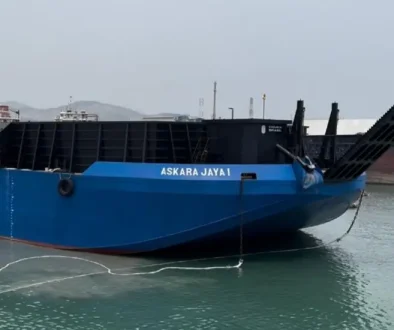
How to Manage Safe and Efficient Sea Cargo Transport
Sea cargo transport is a fundamental part of global trade, facilitating the movement of goods across vast distances. Managing this process effectively requires careful planning, coordination, and adherence to best practices that ensure both safety and efficiency. In this blog, we will explore key strategies for managing safe and efficient sea cargo transport.
1. Understand Regulations and Compliance
a. International Maritime Laws
It’s crucial to stay informed about international maritime laws and regulations, including those established by the International Maritime Organization (IMO). These regulations cover various aspects of shipping, including safety measures, pollution prevention, and crew training. Compliance helps prevent legal issues and enhances safety.
b. Port Authority Regulations
Different ports have their own specific regulations and requirements. Understanding these rules, including customs regulations and handling procedures, can prevent delays and additional costs.
2. Choose Reliable Shipping Partners
a. Selecting a Reputable Shipping Company
When transporting cargo by sea, choosing a reliable shipping company is essential. Look for companies with a proven track record for safety, timely delivery, and optimal service. Research online reviews, ask for references, and consider their reputation in the industry.
b. Collaborate with Freight Forwarders
Freight forwarders can help manage the logistics of sea cargo transport. They have extensive knowledge of shipping routes, costs, and regulations, which can streamline the process. A good freight forwarder can assist with documentation, customs clearance, and cargo tracking.
3. Optimize Packaging and Loading
a. Effective Packaging
Proper packaging is essential for protecting cargo during transport. Use durable materials suitable for sea travel, ensuring that goods are secured and cushioned. Pay attention to weight distribution, especially for containers, to prevent tipping or shifting during transit.
b. Load Optimization
Maximizing the use of container space not only saves costs but also enhances safety. Employ loading software or consult experts to ensure that the cargo is loaded efficiently. Proper stacking and distribution of weight can prevent cargo damage and enhance vessel stability.
4. Implement Risk Management Strategies
a. Identify Potential Risks
Conduct a thorough risk assessment to identify potential hazards in the shipping process. This includes evaluating risks related to weather conditions, mechanical failure, piracy, or cargo damage.
b. Create Contingency Plans
Develop contingency plans to address identified risks. This may include insurance coverage, alternative shipping routes, or emergency response protocols in case of incidents. Having a well-structured plan helps mitigate risks and ensures quick responses to unexpected situations.
5. Monitor and Track Cargo
a. Utilize Tracking Technology
Implement tracking systems to monitor cargo in real-time. GPS and RFID technologies allow businesses to track the location and status of shipments, providing valuable information on delivery times and potential delays.
b. Communicate with Stakeholders
Maintain clear communication with all parties involved in the shipping process, including the shipping company, freight forwarders, and customers. Regular updates on cargo status can help manage expectations and build trust.
6. Ensure Proper Crew Training
a. Safety Protocols
Ensure that crew members receive comprehensive training on safety protocols and emergency procedures. This includes handling hazardous materials, operating equipment, and responding to onboard emergencies.
b. Continuous Education
Encourage continuous education and training for crew members to keep them updated on new regulations, technologies, and safety practices. This commitment to training enhances the overall safety and efficiency of sea cargo operations.
7. Embrace Sustainability Practices
a. Reduce Environmental Impact
Implementing sustainable practices in sea cargo transport not only meets regulatory requirements but also contributes to long-term efficiency. This includes optimizing fuel consumption, reducing waste, and managing emissions.
b. Invest in Eco-Friendly Technologies
Consider investing in eco-friendly technologies, such as energy-efficient vessels or alternative fuel sources. Many shipping companies are increasingly adopting greener practices to reduce their carbon footprint and improve sustainability.
Conclusion
Effective management of sea cargo transport is critical to ensuring the safe and efficient movement of goods across the globe. By understanding regulations, choosing reliable partners, optimizing packaging and loading, implementing risk management strategies, and adopting sustainable practices, businesses can enhance their shipping operations. With careful planning and execution, companies can navigate the complexities of maritime logistics, contributing to smoother trade and satisfied customers.
Remember, the key to successful sea cargo transport lies in proactive management and a commitment to safety and efficiency at every step of the process.