
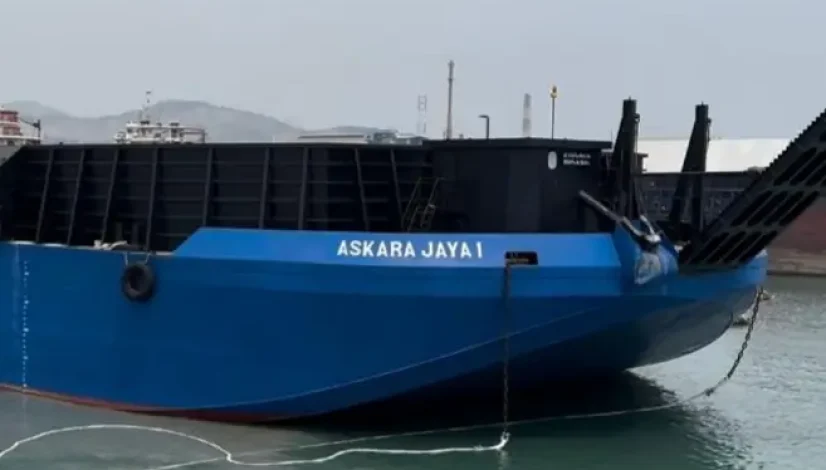
Why BKI Certification Matters in the Marine Industry
In the marine industry, maintaining high standards of quality, safety, and environmental responsibility is crucial for ensuring the successful operation of vessels and the overall sustainability of maritime activities. One important certification that signifies adherence to these standards is the BKI Certification. This article will explore what BKI Certification is, its significance in the marine sector, and why it matters for ship owners, operators, and stakeholders.
What is BKI Certification?
BKI, or Badan Klasifikasi Indonesia, is the Indonesian Classification Society, founded in 1964. It is a non-profit organization responsible for providing classification and certification services to the maritime industry in Indonesia and internationally. BKI plays a key role in ensuring that ships and marine structures meet established safety and performance standards.
Key Functions of BKI
- Classification Services: BKI evaluates and classifies vessels based on their design, construction, and maintenance. This classification is crucial for determining the structural integrity and safety of a vessel.
- Certification: BKI offers various certifications related to maritime quality management, safety, and environmental standards. These certifications help confirm compliance with international conventions and regulations.
- Survey and Inspection: BKI conducts regular inspections and surveys of vessels to ensure compliance with its standards. This ongoing assessment helps identify any potential issues before they become significant problems.
Significance of BKI Certification
1. Safety Assurance
BKI Certification is a testament to a vessel’s safety and reliability. By adhering to BKI’s rigorous guidelines, ship owners and operators can ensure that their vessels are equipped and maintained to the highest safety standards. This reduces the risk of accidents and incidents at sea, protecting crew members, cargo, and the marine environment.
2. Compliance with Regulations
In the maritime industry, compliance with international and national regulations is critical. BKI Certification ensures that vessels meet the requirements set forth by the International Maritime Organization (IMO) and local authorities in Indonesia. This compliance is essential for operating legally and avoiding penalties.
3. Enhancing Credibility and Trust
Having BKI Certification enhances a company’s credibility in the eyes of clients, partners, and regulatory bodies. It demonstrates a commitment to quality and safety, making a company more competitive in the marketplace. Clients are more likely to trust a service provider with recognized certification, leading to increased business opportunities.
4. Environmental Responsibility
BKI Certification includes compliance with environmental regulations, promoting practices that reduce the environmental impact of maritime operations. This aspect is increasingly important as the industry faces pressure to adopt sustainable practices. Companies certified by BKI are viewed as responsible stakeholders in marine conservation efforts, which can improve their reputation and marketability.
5. Risk Management
By obtaining BKI Certification, companies proactively manage risks associated with maritime operations. The certification process includes thorough assessments of potential hazards and the implementation of measures to mitigate those risks. This proactive approach not only enhances safety but can also lead to lower insurance premiums and financial liabilities.
The Process of Obtaining BKI Certification
1. Application
The first step is submitting an application to BKI, which includes details about the vessel, its purpose, and operational plans.
2. Documentation Review
BKI reviews the submitted documentation, including design plans, construction details, and operational procedures.
3. Inspection and Survey
BKI conducts a thorough inspection of the vessel during various stages of construction and after completion. This inspection ensures that the vessel meets all relevant standards.
4. Certification Issuance
Once the vessel passes inspection and all requirements are met, BKI issues a certificate, confirming compliance with its classification rules and regulations.
5. Continuous Monitoring
BKI conducts periodic surveys and inspections to ensure ongoing compliance. This continuous monitoring is vital for maintaining certification and ensuring the vessel’s safety throughout its operational life.
Conclusion
BKI Certification plays a vital role in the marine industry by ensuring that vessels and maritime operations adhere to high standards of safety, quality, and environmental responsibility. It not only provides assurances to ship owners and operators but also builds trust with clients and regulatory bodies. In an increasingly competitive and environmentally conscious maritime landscape, obtaining BKI Certification is not just beneficial; it is essential for success.
For companies operating in the marine industry, prioritizing BKI Certification can lead to safer operations, enhanced credibility, and a commitment to sustainability. As the maritime sector continues to evolve, embracing these standards will be crucial for achieving long-term success and resilience.
